Find Supported Independent Living (SIL) That Suits
Connected with a registered SIL provider who may have support or a vacancy.
- Free
- No obligation
- NDIS registered
We share your details with one provider at a time, never a list. Privacy policy
What Is Supported Independent Living?
Supported independent living (SIL) is NDIS funding for support workers who help or supervise someone with daily tasks at home, 24 hours a day, 7 days a week. It's for people with higher support needs, and it's usually shared with housemates. SIL pays for the support, not the house. Residents pay their own rent and bills.
The NDIA decides who's eligible for SIL, and works out the hours, ratios and overnight support that go into the SIL funding in a plan. Since 1 October 2026, only registered SIL providers, or providers who applied before then, can deliver it.
SIL isn't a type of house. Most people live in an ordinary rented home shared with other participants, and some have a specially designed home as well. Our page on SIL, SDA and ILO explains the difference.
How it works
Three Steps to Talking With a Provider
Tell Us What's Needed
Who the support is for, whether SIL is in the plan, sharing or living alone, where and when. About two minutes.
We Find a Provider
We pass your details to one registered SIL provider who may have support or a vacancy that suits.
They Get in Touch
The provider contacts you to talk about the support, the home, the housemates and when it could start.
Your details only go to the provider we match you with. If they can't help, we'll find someone who can. More about how it works
Support Built Around Each Person
Supported independent living pays for support workers in the home. What they help with depends on the person and the plan.
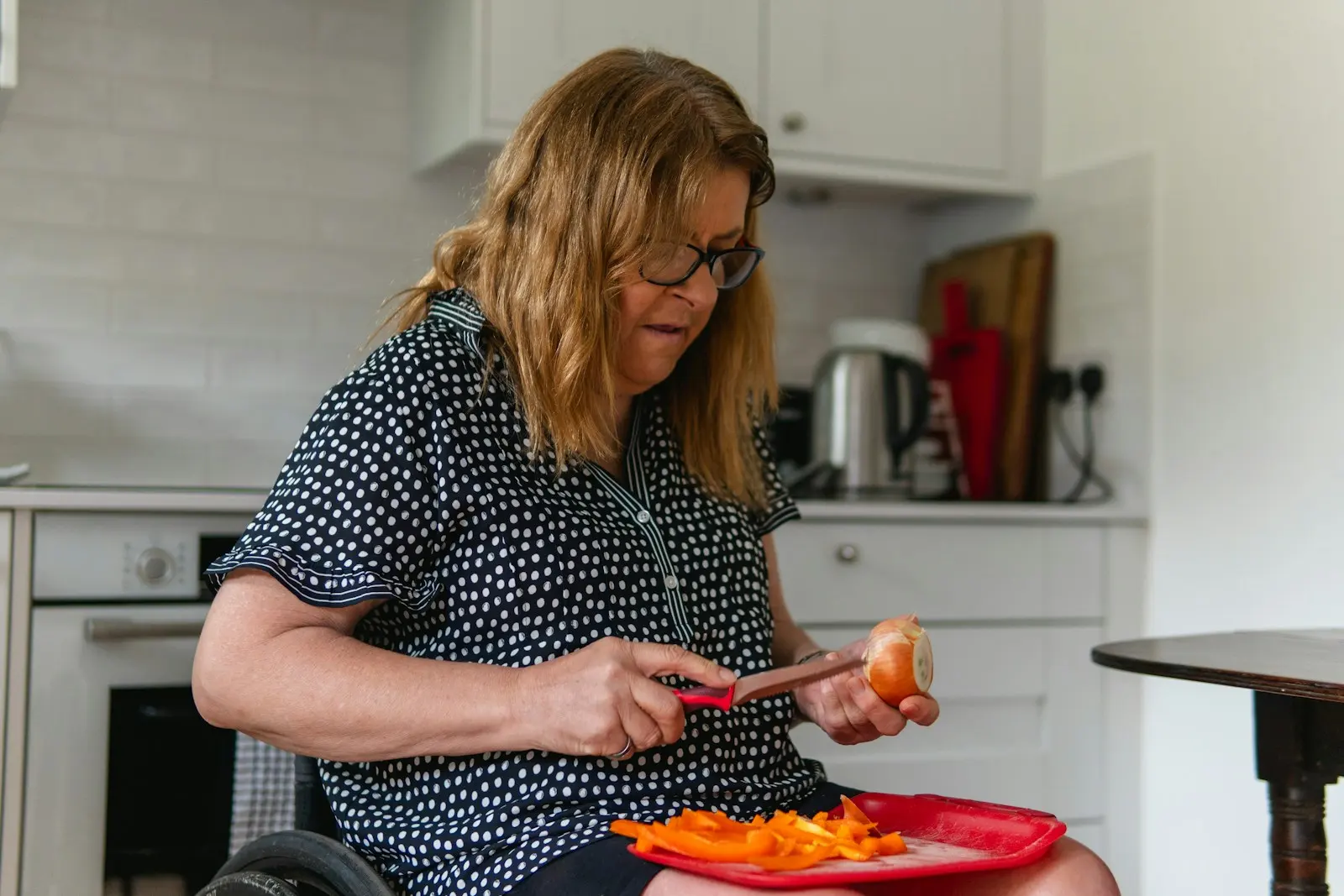
Building Skills
SIL is meant to help people do more for themselves, like cooking a meal, not just have it done for them.
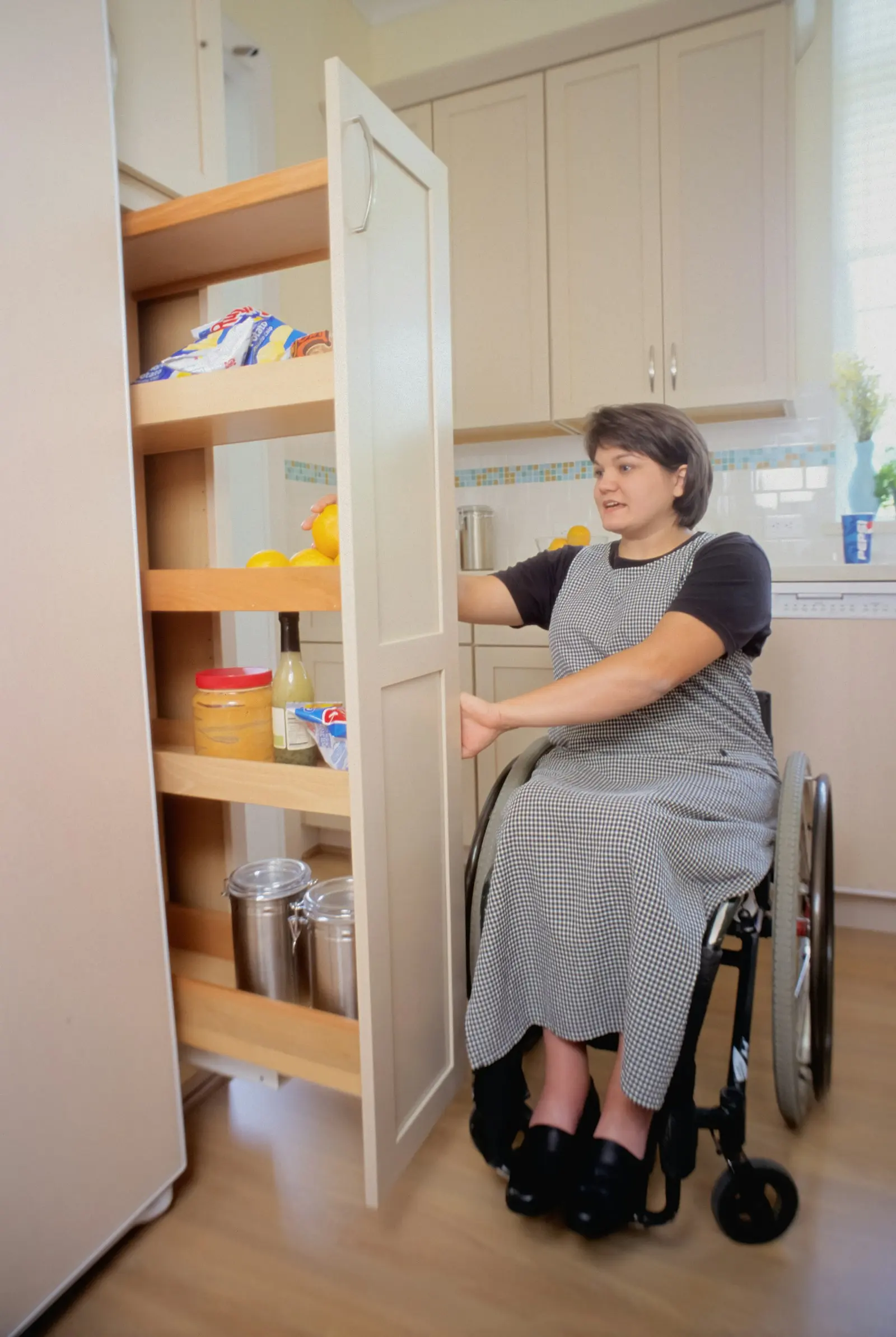
Help With Daily Tasks
Personal care, meals, cleaning, medication and appointments, with as much or as little help as each person needs.

Someone There, Day and Night
Support is rostered around the clock, including a sleepover or an awake worker overnight.
Supported Independent Living Explained
Plain-English guides, checked against the NDIA's SIL guideline, the NDIS pricing schedule and the NDIS Commission's SIL standards.
- What is SIL?What it pays for, who it's for, and what it doesn't cover.
- SIL eligibilityThe support needs the NDIA looks for, and the evidence that helps.
- How SIL funding worksHours, ratios, intensity, overnight support and irregular days.
- Living in a SIL houseShared support, daily life, house rules and your rights.
- Rent and costsWhat residents pay themselves, and what the NDIS covers.
- SIL vs SDA vs ILOThree home and living supports, and how they fit together.
Your Home, Your Life
A SIL home is somewhere you live, not a facility. The support fits around your routines, not the other way round.
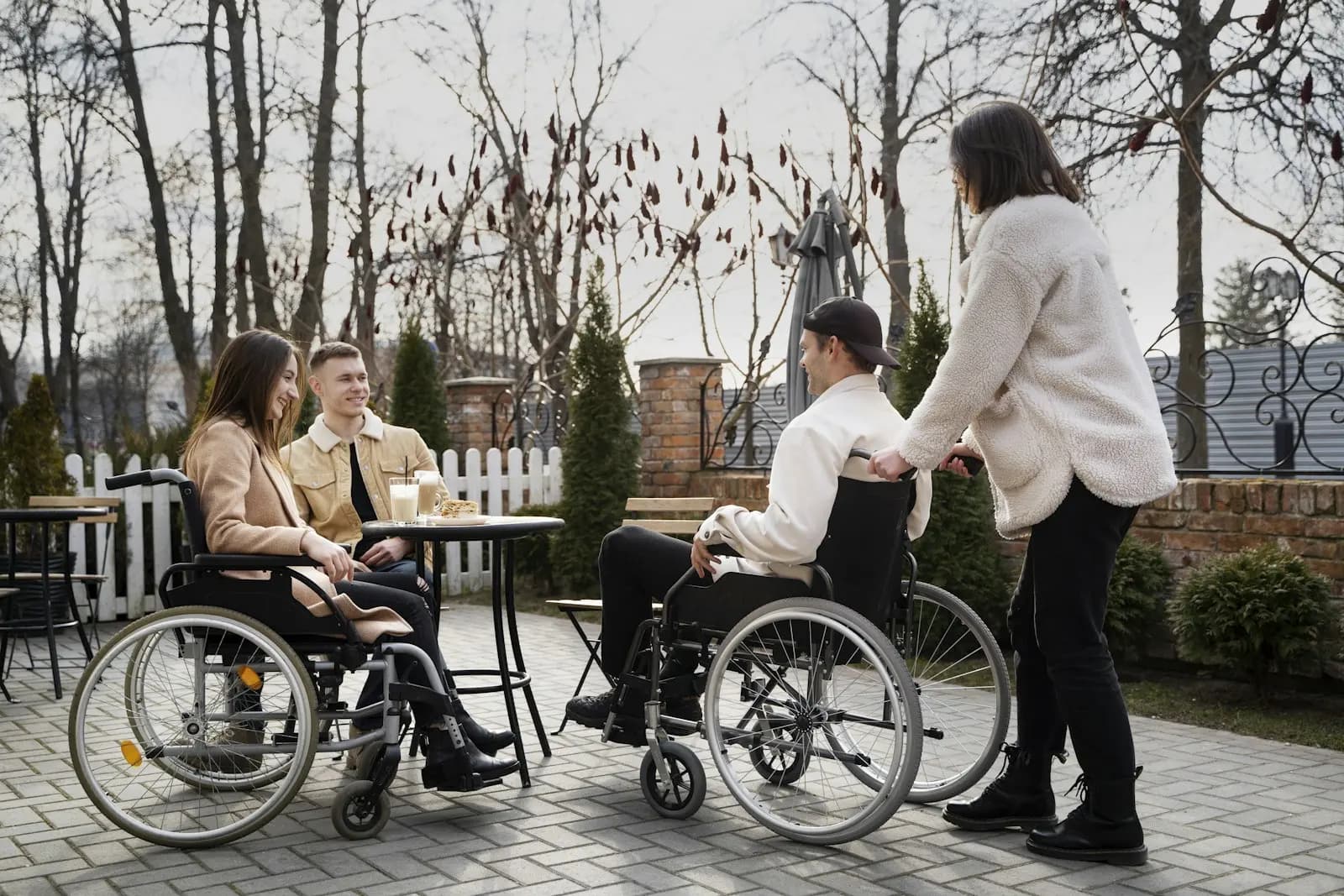
Housemates You Choose
Most SIL is in shared homes. Residents have to be consulted before anyone new moves in.

Friends and Visitors
Your home, your visitors. The rules say you can have people over without unnecessary restrictions.

Close to Family
Where you live matters as much as the support. Think about family, work and the things you do.
For Participants and Families
Moving out of the family home, SIL just added to the plan, or the current provider isn't working? Tell us once and we'll pass it to a registered SIL provider, instead of you ringing around.
Get matchedFor Support Coordinators
Send the funding status, living arrangement, location and timing. We pass it to a registered SIL provider and let you know who's picking it up.
Refer a participantHow We Choose Providers
We only pass your details to providers who meet all of these.
- Registered with the NDIS Quality and Safeguards Commission for SIL
- Support or a vacancy that may suit, now or coming up
- Tenancy kept separate from support, as the SIL standards require
- Agree to contact you promptly, and we check that they did

How SIL Is Funded
The NDIA works out SIL from the hours of support needed at home in an ordinary week, the ratio of workers to residents, standard or high intensity, overnight support and a few irregular support days. It prices that using the NDIS pricing schedule. Rent, food and bills are paid by the resident.
More on SIL fundingQuestions People Ask
Does it cost anything to use this service?
No. It's free for you. Providers pay us when we introduce them to someone, which is how we keep it free. It doesn't change what your SIL costs, which is limited by the NDIS pricing schedule.
Are you the NDIS, or a SIL provider?
Neither. supportedindependentlivingservices.com.au is an independent service that connects people with registered SIL providers. We're not part of the NDIA or the NDIS Quality and Safeguards Commission, and we don't deliver support or own homes.
Do I need SIL in my NDIS plan first?
It helps, because a provider can only deliver SIL that's funded. If a home and living request is in progress, get in touch anyway and tell us where things are at.
Do you list SIL vacancies?
No. We pass what you need to registered SIL providers, one at a time, so they can tell you about vacancies or support that may suit.
What if the provider can't help?
We pass your details to another registered provider, one at a time, up to three in total. Your details never go out to a group of providers at once.
I'm a support coordinator. Can I refer someone?
Yes. Use the referral form, or choose coordinator in the questions above. Please make sure the participant or their nominee has agreed to the referral first.
Ready to Look for SIL Support?
It takes about two minutes, and it's free.